How Sic Bo Dice Games Challenge Your Decision-Making Skills
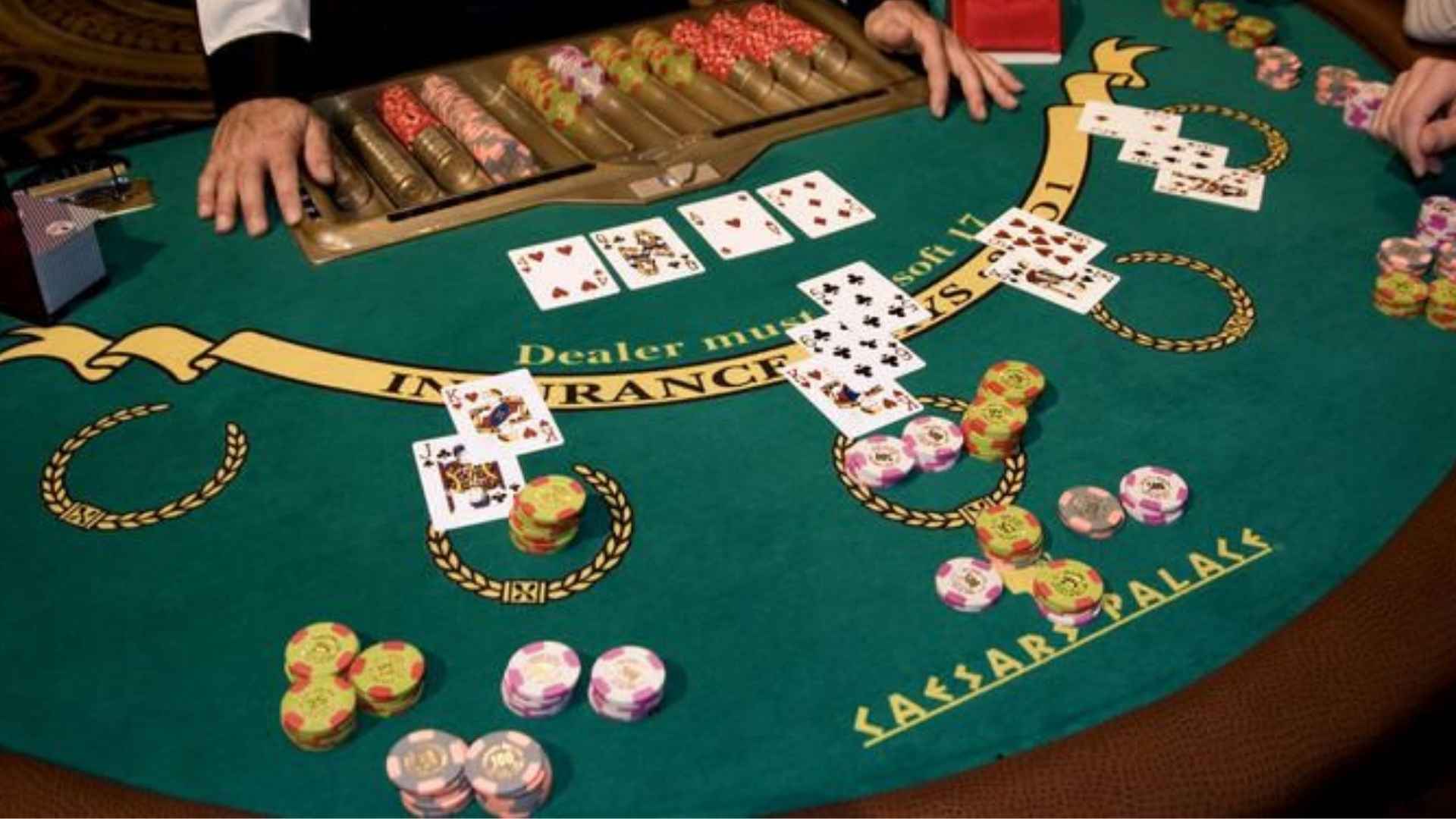
Sic Bo is a historic casino dice game of ancient Chinese origin that presents a fascinating environment for testing human choice behavior. While the game relies entirely on the random tumble of three distinct dice, it forces players to confront complex probability matrices on every round. Engaging with this detailed betting layout provides a unique look into how individuals manage risk under uncertainty.
Navigating the Illusion of Analytical Control
Many participants approach the gaming board under the false assumption that observing past results will help them predict subsequent outcomes. Because each individual shake of the dice container represents a completely independent event, tracking streaks frequently leads to cognitive biases like the gambler's fallacy. Overcoming this internal desire to find order in random numbers is the primary obstacle to rational decision-making at the table.
Players must consciously separate their logical calculations from intuitive superstitions that naturally arise during high-energy live sessions. By acknowledging that math governs the table rather than personal intuition, you can build a more disciplined approach to risk management. This deliberate mental shift helps prevent impulsive choices that quickly deplete a player's sustainable session budget.
Evaluating the Risk and Reward Structure
The extensive board layout offers a wide array of wagering options, ranging from safe even-money propositions to high-stakes specific totals. Every single spot on the grid comes with its own unique relationship between mathematical probability and potential financial payout. Selecting where to place your chips requires a calculated assessment of how much variance you are willing to tolerate.
For individuals attempting to optimize their session plans, balancing conservative choices with speculative single-number predictions becomes a major mental exercise. Utilizing a trustworthy resource such as a reliable M88 link allows players to observe these distinct volatility levels safely during live gameplay. The ability to weigh immediate rewards against the statistical house edge is a critical skill for any analytical gaming enthusiast.
Managing Cognitive Load Under Pressure
The rapid pace of modern digital and live casino environments introduces significant time constraints that can affect overall judgment capacity. When forced to make quick selections before the dealer closes the wagering window, players often experience a surge in cognitive load. This fast-paced environment tests your capacity to remain calm and follow a pre-established roadmap without hesitation.
Under stressful conditions, the human brain naturally leans toward simplified strategies that might not align with long-term capital preservation goals. Successful participants learn to mitigate this mental fatigue by taking regular breaks and setting rigid boundary constraints before beginning. Maintaining deep concentration amidst constant sensory stimulation separates disciplined individuals from impulsive participants.
Developing Long-Term Behavior Habits
Ultimately, the challenges presented by this classic three-dice game extend far beyond the immediate thrill of a winning combination. The habits developed at the table, such as strict bankroll boundaries and emotional restraint, reflect broader psychological choices in risk assessment. Mastering the table layout is less about changing the random nature of physical dice and more about controlling your own reactions.
By cultivating patience and accepting the inherent mathematical realities, players transform blind guessing into a structured exercise of personal discipline. These refined decision-making habits provide valuable insights that enhance your overall approach to modern entertainment platforms. Embracing statistical realities ensures that every session remains a sustainable, informative, and highly engaging pastime.